
Views: 0 Author: Site Editor Publish Time: 2026-10-02 Origin: Site


Specifying equipment for hazardous environments carries incredibly high stakes for process engineers. Selecting the wrong protection method directly compromises plant safety. It also drastically inflates your lifecycle expenses. You face a critical technical choice every single day. You must decide whether to prevent an ignition entirely or contain a potential explosion. This usually means choosing between an intrinsically safe or a flameproof setup for your field instruments. Navigating these options requires deep technical understanding. You need to balance safety standards against everyday operational realities. Selecting a proper valve positioner demands a clear evaluation framework. This article provides technical and commercial insights to guide your decision. We will help you determine which protection method aligns with your specific operational zones. You will discover how maintenance capabilities and budget constraints influence this choice. Read on to master the principles behind hazardous area instrumentation.
Core Mechanism: Intrinsically safe (Ex i) limits electrical and thermal energy to prevent ignition; flameproof (Ex d) allows internal ignition but contains the explosion within a robust enclosure.
Cost Allocation: Flameproof positioners have lower initial component costs but higher installation (conduit, seals) and maintenance costs. Intrinsically safe systems require safety barriers but offer cheaper wiring and live maintenance.
Maintenance Reality: Intrinsically safe designs permit "live" calibration and troubleshooting without hot work permits, significantly reducing downtime in continuous processing plants.
Zone Compliance: Selection is strictly dictated by hazardous area classifications (e.g., ATEX/IECEx Zones or NEC Classes/Divisions).
Implementing hazardous area valve control requires strict adherence to physics. You cannot guess safety limits in explosive atmospheres. Engineers rely on two primary protection philosophies. You either restrict energy proactively or contain the blast reactively. These philosophies dictate your entire plant architecture. They influence everything from cabling to maintenance schedules.
Intrinsically safe systems operate on extremely low electrical thresholds. They restrict both voltage and current flowing into the field. You must install physical safety components. These components sit securely in the safe area. Engineers typically use Zener barriers or galvanic isolators. These devices act as strict energy gatekeepers. They prevent power surges from reaching the field device.
The field instrument receives very limited electrical energy. It becomes physically incapable of generating a dangerous spark. It also cannot generate enough thermal heat to cause trouble. This ensures it will never ignite a specific atmospheric mixture. You eliminate the ignition source entirely. This proactive approach provides immense peace of mind. It also simplifies field interactions significantly.
Flameproof protection takes the exact opposite approach. It relies entirely on robust mechanical containment. Manufacturers build exceptionally heavy enclosures. They use thick cast aluminum or tough stainless steel. An internal explosion might still happen during a fault. A spark inside the casing can easily ignite trapped gases. The enclosure simply absorbs the resulting blast pressure.
The design utilizes carefully engineered flame paths. Escaping hot gases squeeze through these narrow metallic gaps. The metal absorbs the heat rapidly. The gases cool down significantly before exiting. They eventually exit the enclosure safely. The gas temperature falls well below the outside ignition point. This method never limits the electrical power. The system delivers unhindered current directly to the industrial valve positioner.
Many older facilities still rely on the flameproof valve positioner. It remains a deeply established industry standard across the globe. You must carefully weigh its benefits against its physical footprint.
Historical standard: Legacy engineering teams know this method incredibly well. They feel comfortable designing these robust control loops.
Simpler initial system design: You avoid complex loop calculations. You do not need to calculate precise entity parameters. You also save valuable space in the control room. No intrinsic safety barriers are necessary.
Higher power handling: Some older applications require substantial electrical power. Flameproof enclosures accommodate these higher loads easily. Modern smart positioners rarely need this extra power today.
You must understand the everyday maintenance burdens associated with heavy enclosures. Field experience highlights severe practical limitations. Technicians often struggle with the physical demands.
Heavy Infrastructure: Installation demands immense physical effort. Technicians must install heavy explosion-proof conduits. They must thread and run rigid piping. They also need to pour specialized chemical sealing compounds.
Maintenance Bottlenecks: You cannot simply open the cover. You must completely power down the circuit first. Alternatively, you must secure a restrictive hot work permit. This permit requires gas sniffing and extensive paperwork. It causes frustrating production delays.
Enclosure Integrity: Maintenance requires extreme care. Technicians sometimes rest tools on the open flange surface. Scratches on the machined flame paths ruin the cooling effect. A single deep scratch can void the Ex d certification entirely. You must then replace the entire housing.
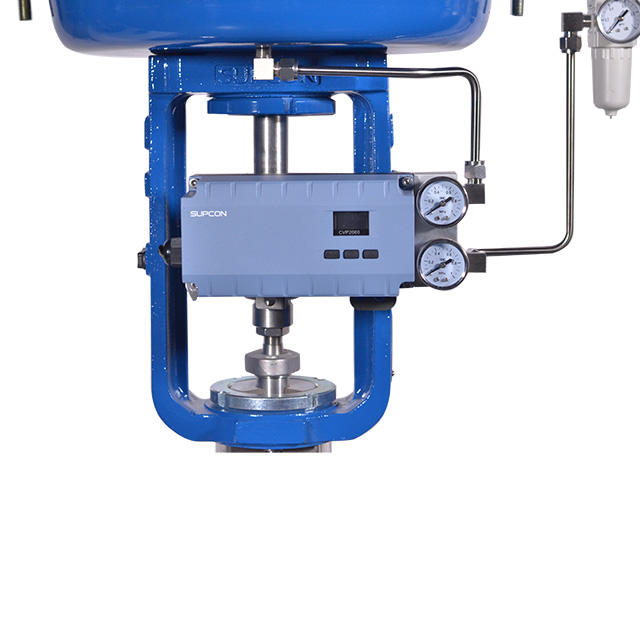
You should strongly consider the intrinsically safe valve positioner for modern upgrades. It offers remarkable flexibility for process control loops. You gain massive operational advantages over legacy methods.
Live Maintenance: This provides a massive operational benefit. Technicians can safely open the casing anytime. They can calibrate the device while it runs. They can troubleshoot issues on fully powered systems. You never need a hot work permit.
Lighter Infrastructure: Installation is fast and remarkably clean. You utilize standard instrument wiring. You can route cables through open cable trays. This reduces the physical footprint significantly. It also slashes installation labor times.
Advanced Diagnostics: Smart technologies require very little power. They pair perfectly with Ex i loops. You gain seamless condition monitoring capabilities. You can predict valve failures before they happen.
While operationally superior, Ex i systems demand rigorous upfront engineering. You cannot just plug random devices together. You must follow strict validation protocols.
Complex Validation: You must perform rigorous entity parameter matching. You must ensure the barrier voltage does not exceed the device limit. You must verify current thresholds match perfectly. You must also calculate cable capacitance and inductance carefully.
Cabinet Space: The safe area requires extra hardware. Safety barriers require dedicated DIN rail space in your cabinets. Large plant installations demand significant cabinet real estate. You must plan for this expansion.
Grounding Requirements: Zener barriers demand dedicated ground connections. You must maintain high-integrity grounding systems across the plant. Without proper grounding, the barrier fails to protect the circuit. Galvanic isolators solve this grounding issue but cost more upfront.
Choosing between these methods requires a highly structured approach. You must evaluate strict zoning laws. You must analyze your complete financial picture. You must also review your existing plant infrastructure.
Global standards dictate your baseline options directly. You must consult ATEX, IECEx, or NEC guidelines before proceeding. These authorities define the hazard levels strictly.
Zone 0 / Div 1 (Continuous hazard): Explosive gases are constantly present. You have almost no choice here. Ex ia (Intrinsic Safety) is typically the only legally permitted option.
Zone 1 / Div 1 (Occasional hazard): Explosive mixtures occur during normal operations occasionally. Both Ex i and Ex d are legally permitted. Your decision shifts entirely to financial and maintenance factors.
Zone 2 / Div 2 (Rare hazard): Explosive gases only appear during abnormal faults. Ex nA (Non-sparking) devices may be sufficient. However, many plants still use Ex i or Ex d to maintain standardization.
You must look far beyond the initial purchase price. Upfront capital expenditure only tells a fraction of the story. You need a comprehensive financial perspective.
Compare the upfront component costs accurately. Ex d enclosures generally cost less initially. Ex i systems require purchasing expensive safety barriers. Next, factor in the installation labor. Rigid conduit takes days to install properly. Standard tray cable takes mere hours. Finally, calculate your downtime expenses. Ex d maintenance requires process shutdowns or slow permit approvals. Live Ex i maintenance keeps your product flowing continuously. Lost production time often dwarfs initial hardware savings.
Look critically at your current plant architecture. Historical inertia plays a huge role in decision-making. You must respect existing infrastructure investments.
Some plants possess massive Ex d infrastructure already. They have miles of rigid conduit installed. Their safe-area cabinets lack any spare DIN rail space. Retrofitting a single intrinsically safe device makes poor financial sense here. The barrier installation costs would be disproportionately high. You should stick with flameproof units for minor legacy replacements. Reserve Ex i upgrades for complete unit overhauls.
Evaluation Metric | Intrinsically Safe (Ex i) | Flameproof (Ex d) |
|---|---|---|
Initial Component Cost | Higher (Requires Safety Barriers) | Lower (Stand-alone Device) |
Installation Labor | Low (Standard Cable Trays) | High (Rigid Conduit & Seals) |
Live Maintenance Allowed? | Yes (No Hot Work Permit Needed) | No (Requires Power-Down or Permit) |
Zone 0 Compatibility | Yes (Ex ia specifically) | No (Strictly Prohibited) |
Engineering Complexity | High (Entity Parameter Matching) | Low (Straightforward Wiring) |
Physical Weight & Size | Lightweight and Compact | Heavy and Bulky |
You must verify paperwork diligently before buying anything. Never assume a product fits your zone automatically. Certification errors lead to immediate audit failures.
Ensure your shortlisted device holds appropriate regional marks. You need ATEX certification for European facilities. You need IECEx for broad global compliance. You must have FM or UL marks for North American operations. Always check the exact temperature classes as well. A T4 rating allows hotter surfaces than a T6 rating.
Trustworthy vendors provide exceptional paperwork for their products. They supply clear control drawings for engineers. They list exact entity parameters for Ex i loops clearly. They provide precise flame path maintenance manuals for Ex d units. Do not buy undocumented devices. Poor documentation creates massive headaches during plant safety audits.
Follow a clear logical path for your final selection. Choose intrinsically safe designs for new plant builds. Use them exclusively for Zone 0 applications. Select them when prioritizing advanced condition monitoring. They guarantee zero-downtime maintenance. Alternatively, choose flameproof designs for simple legacy plant expansions. Use them in highly constrained control cabinet scenarios. Select them when local engineering teams completely lack Ex i design familiarity.
The choice between intrinsically safe and flameproof is rarely a matter of one being universally "better." Both methods offer proven reliability when implemented correctly. They simply attack the ignition problem from entirely different angles. You must evaluate your unique situation carefully.
The decision hinges strictly on bridging technical safety requirements with your operational maintenance strategies. You must balance initial capital expenditure against long-term maintenance realities. Ex i offers operational freedom but demands upfront engineering rigor. Ex d offers straightforward engineering but penalizes your maintenance schedules heavily.
Consult with certified hazardous area engineers before finalizing your plans. Have them audit your plant's specific zoning requirements closely. Ask them to review your legacy infrastructure. They will help you specify your next valve positioner confidently.
A: No. Without the barrier limiting the energy from the safe area, the system is not intrinsically safe and poses a severe explosion risk.
A: Practically, yes. "Explosion-proof" is standard terminology in North America (NEC/CEC), while "Flameproof" (Ex d) is the IEC/ATEX global standard. Both rely on containment.
A: Generally, no. Zone 0 (continuous presence of explosive gas) typically mandates Ex ia (intrinsically safe) protection.
A: While the control room components (barriers) add cost, the field wiring is significantly cheaper and faster to install than the rigid conduits and seals required for flameproof systems.


