
Views: 0 Author: Site Editor Publish Time: 2026-03-09 Origin: Site


In industrial applications, flow measurement is vital for ensuring operational efficiency, safety, and process control. Whether it's managing water treatment systems, chemical processes, or energy production facilities, having accurate flow data is crucial for maintaining optimal performance. Flowmeters are the primary tools used to measure the flow rate of liquids, gases, and slurries through pipelines. At Zhejiang SUPCON Instrument Co., Ltd., we specialize in manufacturing high-quality, reliable flowmeters designed to meet the diverse needs of industrial processes. This article will explore the different types of flowmeters, their advantages and applications, and how to select the right one for your specific requirements.
A flowmeter is an essential device used to measure the flow of liquids, gases, and slurries in various industrial systems. It helps monitor the rate at which fluids move through pipes, ensuring that the desired flow rates are maintained within the specified limits. Accurate flow measurements are critical in many industrial applications, such as controlling water usage, monitoring chemical flow, managing fuel consumption, and ensuring the efficient operation of HVAC systems.
The core function of a flowmeter is to convert the physical movement of the fluid into an electrical signal that can be read and interpreted. This data is used to control processes, optimize resource consumption, and maintain system efficiency.
Flow measurement can be based on several principles, with the most common being velocity, differential pressure, and mass flow measurement.
Velocity-based flow measurement: This principle measures the speed at which a fluid moves through a pipe. Flowmeters that operate on velocity principles include turbine and ultrasonic flowmeters, which calculate flow rate based on how fast the fluid is flowing past a sensor.
Differential pressure flow measurement: In this type of flowmeter, the pressure difference between two points in the pipe is measured, and this difference is directly related to the flow rate. This principle is commonly used in orifice plates, venturi tubes, and other differential pressure flowmeters.
Mass flow measurement: Mass flowmeters, such as Coriolis flowmeters, measure the mass of the fluid rather than its volume. This is especially useful in applications where density and viscosity vary, as it provides a more accurate representation of the flow rate under fluctuating conditions.
When selecting a flowmeter, it's important to consider its performance metrics, such as:
Accuracy: This is the degree to which the flowmeter’s measurement matches the true flow rate. Accurate flow measurement is essential in industries that require precise data, such as the food, beverage, and pharmaceutical industries.
Repeatability: This refers to the flowmeter’s ability to provide consistent measurements under the same conditions. Repeatability ensures that the flowmeter can be trusted to deliver reliable data over time.
Range: The flowmeter's range refers to the range of flow rates it can measure effectively. Some flowmeters are suitable for low-flow applications, while others can measure high flow rates with precision.
There are several types of flowmeters available, each designed for different applications and conditions. The choice of flowmeter depends on factors such as the type of fluid being measured, the required accuracy, and the installation environment. Below is a comparison of the most common flowmeter types:
Type | Best For | Pros | Cons | Typical Industries |
Magnetic | Conductive liquids | No moving parts, durable | Requires conductivity | Water, chemical plants |
Ultrasonic | Non-invasive measurement | Low pressure drop, no contact required | Needs proper pipe conditions | Oil & gas, utilities |
Coriolis | Mass flow, high accuracy | Measures density, highly accurate | Expensive, sensitive to vibration | Custody transfer, high-accuracy processes |
Turbine | Clean liquids | Fast response, simple design | Moving parts wear over time | Fuel, water |
Differential Pressure | Versatile | Proven technology, widely used | Pressure loss, maintenance needed | Steam, gas systems |
Magnetic flowmeters are ideal for measuring conductive liquids, such as water, chemicals, and slurries. They operate without moving parts, making them durable and requiring minimal maintenance. However, magnetic flowmeters require the liquid to be conductive, which means they are not suitable for gases or non-conductive liquids.
Ultrasonic flowmeters use sound waves to measure the flow of liquids and gases. These meters are non-invasive, meaning they do not require direct contact with the fluid. This makes them suitable for applications where clean and non-contact measurement is essential. They are especially useful in the oil and gas industry, as well as utility sectors. However, they are sensitive to pipe conditions and require accurate calibration for optimal performance.
Coriolis flowmeters are known for their high accuracy in measuring mass flow. They are ideal for applications that require precise data, such as chemical processing or custody transfer. They work by measuring the deflection of a vibrating tube, which changes in response to the mass of the fluid passing through. While they provide excellent accuracy, Coriolis flowmeters can be costly and are sensitive to vibration, which can affect performance.
Turbine flowmeters operate by using a rotor that spins as the fluid flows through the pipe. The speed of the rotor is directly proportional to the flow rate. These flowmeters are fast and provide real-time measurements. However, the moving parts are subject to wear over time, which can reduce accuracy. Turbine flowmeters are commonly used in fuel and water applications.
Differential pressure flowmeters are widely used in steam and gas systems. They measure the pressure difference between two points in a pipe and use this data to calculate the flow rate. They are versatile and have been used in a wide range of industries for many years. However, they can cause a pressure loss and require periodic maintenance to maintain accuracy.
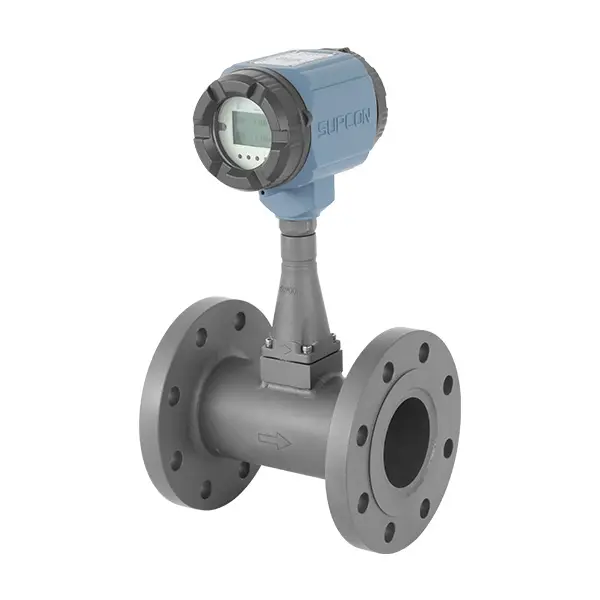
The type of fluid being measured plays a crucial role in determining the right flowmeter. Liquids like water and chemicals are often measured using magnetic, turbine, or differential pressure flowmeters. For gases, ultrasonic and thermal mass flowmeters are preferred due to their non-invasive nature and ability to handle varying flow rates. Slurries, which are mixtures of liquids and solids, require robust flowmeters like magnetic or ultrasonic models that can handle the abrasiveness and varying density of the fluid.
High-accuracy flowmeters, such as Coriolis and magnetic flowmeters, are essential in applications that require precise measurements for process control, such as custody transfer in the oil and gas industry or pharmaceutical production. For basic monitoring purposes, turbine and differential pressure flowmeters are typically sufficient, providing cost-effective solutions for standard industrial applications.
Different flowmeter types have different installation requirements. Ultrasonic flowmeters, for instance, require a straight section of pipe before and after the measurement point to ensure accurate readings. Turbine and magnetic flowmeters also have specific installation requirements to minimize turbulence and ensure consistent data. It's essential to account for pipe size, installation space, and other physical constraints when selecting a flowmeter.
The installation process is crucial for ensuring that flowmeters function accurately and reliably. Several factors, such as straight pipe requirements, sensor orientation, and power supply, can affect the flowmeter's performance.
To ensure accurate flow measurements, it is essential to have a straight section of pipe before and after the flowmeter. Turbulence in the fluid can distort measurements and reduce the reliability of the flowmeter. The length of the required straight pipe depends on the type of flowmeter being used.
Flowmeters with built-in sensors must be installed in the correct orientation for accurate readings. For example, some flowmeters are designed to be installed horizontally, while others require vertical installation. Additionally, flowmeters need an appropriate power supply to function correctly. Some models operate on battery power, while others are connected to the electrical grid.
Selecting the right flowmeter for your industrial process can have significant benefits, including improved efficiency, reduced downtime, and enhanced product quality.
A reliable flowmeter ensures that processes are running at optimal flow rates, reducing downtime and preventing system failures. When a flowmeter detects an issue, it allows operators to take corrective actions before problems escalate, minimizing production losses.
Flowmeters play a crucial role in maintaining product quality and meeting regulatory compliance standards. Accurate flow measurement helps ensure that materials are used efficiently and that products meet specifications. In industries like food processing and pharmaceuticals, precise flow measurement is essential for maintaining quality and adhering to safety standards.
Choosing the best flowmeter for your industrial application is essential for optimizing process efficiency, ensuring regulatory compliance, and maintaining product quality. Whether you are in the water treatment, chemical processing, or energy production sector, there is a flowmeter type that is ideally suited to your needs. At Zhejiang SUPCON Instrument Co., Ltd., we offer a wide range of high-quality flowmeters designed to meet the diverse needs of various industries. With our expertise and advanced technology, we can help you select the right flowmeter for your processes. Contact us today to learn more about our flowmeter solutions.
1. What is the best flowmeter for high-accuracy measurements?
For high-accuracy measurements, Coriolis flowmeters are ideal. They provide precise mass flow data and are perfect for industries requiring high levels of accuracy.
2. Can a magnetic flowmeter measure gas flow?
No, magnetic flowmeters are designed for conductive liquids only. For gas flow, ultrasonic flowmeters are more suitable.
3. How do I reduce turbulence during flowmeter installation?
Ensure there is sufficient straight pipe length before and after the flowmeter to minimize turbulence. This helps in obtaining accurate readings.
4. Are ultrasonic flowmeters suitable for all pipe sizes?
Yes, ultrasonic flowmeters are versatile and can be used across various pipe sizes, but they require proper pipe conditions and straight sections for accurate readings.


