
Views: 0 Author: Site Editor Publish Time: 2026-03-11 Origin: Site


Water treatment processes require precise and reliable flow measurement to ensure both quality and compliance with environmental standards. Accurate flowmeter measurements are essential in managing the quantity of water used, preventing overuse, ensuring proper chemical dosing, and meeting regulatory standards. Whether you are treating drinking water, wastewater, or industrial process water, selecting the right industrial water flowmeter is vital for operational efficiency and cost control. In this article, we will discuss the various flowmeter types best suited for water treatment applications, the challenges involved in water flow measurement, and how to select the most effective flowmeter for your needs.
Accurate flow measurement in water treatment systems is critical to maintaining efficient operation, ensuring regulatory compliance, and preserving natural resources. As water plays an integral role in various industrial processes, being able to measure its flow rate with precision can significantly impact the overall efficiency of the system.
For water treatment facilities, having the right flowmeter is essential for accurately measuring water flows and ensuring that operations run smoothly. Whether you’re measuring raw water intake, treated water output, or chemicals used for purification, reliable flowmeters help maintain control over the entire process. At Zhejiang SUPCON Instrument Co., Ltd., we manufacture a range of high-quality flowmeters designed specifically for industrial applications, ensuring accurate and consistent flow measurement in water treatment systems.
Water treatment systems involve several unique challenges that impact flow measurement accuracy. These challenges stem from the varying nature of the fluids being measured, the potential for contamination, and the specific requirements for different treatment processes. Below are some of the most common challenges in water treatment flow measurement:
In water treatment, fluids can vary greatly in their conductivity. For example, fresh water, which is non-conductive, may require a different type of flowmeter compared to wastewater, which typically contains dissolved ions and is conductive. Flowmeters such as magnetic flowmeters work best with conductive liquids, while non-invasive technologies like ultrasonic flowmeters are ideal for measuring non-conductive media. Understanding the conductivity of the fluid being measured is critical when selecting a flowmeter to ensure accurate results.
Many water treatment processes involve fluids that contain solid particles, such as sludge or suspended solids. These particles can interfere with the measurement process by clogging or damaging flowmeter sensors. Flowmeters used in these applications must be able to withstand the abrasiveness and consistency variations of the fluid. Choosing the right flowmeter is essential for handling these challenges while maintaining accuracy in measurements.
Selecting the appropriate flowmeter type for water treatment applications is vital to ensuring reliable, accurate, and efficient operation. Below, we compare some of the best flowmeter types for water treatment, their strengths, and their limitations:
Flowmeter Type | Water Treatment Strengths | Limitations |
Magnetic | Excellent for conductive liquids | Not suitable for non-conductive fluids |
Ultrasonic | No contact measurement, non-invasive | Sensitive to bubbles, pipe condition |
Vortex | Versatile for steam and liquids | Limited performance at low flow rates |
Turbine | High accuracy for low viscosity fluids | Requires clean fluid, moving parts wear |
Positive Displacement | Precise volumetric measurement | Mechanical wear, best for clean fluids |
Magnetic flowmeters are widely used in water treatment due to their ability to measure the flow of conductive liquids, such as water, chemicals, and sewage. They have no moving parts, which reduces wear and tear and minimizes maintenance. Magnetic flowmeters are particularly useful in applications such as water treatment plants, where high flow rates and consistent measurements are crucial. However, they are not suitable for non-conductive fluids such as oils or gases.
Ultrasonic flowmeters offer a non-contact measurement method, meaning they do not directly interact with the fluid, making them ideal for clean water and delicate applications. These flowmeters use sound waves to measure flow rate and are suitable for both liquids and gases. They are highly accurate and easy to install without disrupting the flow line. However, ultrasonic flowmeters can be sensitive to bubbles, sediment, or pipe conditions, which can affect accuracy. They are also less suitable for measuring dirty or viscous fluids.
Vortex flowmeters are versatile and can measure both liquids and gases in a variety of applications. These flowmeters detect the vortices created as the fluid passes through a bluff body, providing a reliable method of flow measurement. Vortex flowmeters are well-suited for steam and gas flow measurement in water treatment facilities, but their performance can degrade at low flow rates. This makes them less effective for measuring very low water flows.
Turbine flowmeters are widely used in water treatment systems due to their high accuracy and fast response time. These flowmeters measure the flow rate by detecting the rotation of a turbine placed in the flow stream. Turbine flowmeters are most effective when measuring clean, low-viscosity fluids such as water. However, they may require regular maintenance as the moving parts can wear over time. They are not suitable for measuring dirty or particulate-laden fluids.
Positive displacement flowmeters are ideal for applications requiring precise volumetric measurements. These flowmeters measure the fluid in discrete portions, offering high accuracy. They are used in water treatment systems where precise dosing or small flow measurements are critical. However, they can suffer from mechanical wear and require clean fluids to maintain performance. They are often used in applications where accuracy is paramount, such as in dosing chemicals for water treatment.
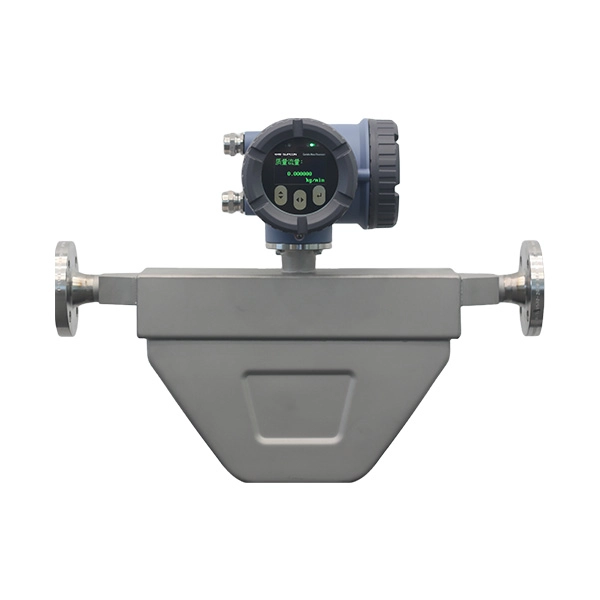
When installing flowmeters in water treatment systems, it’s important to follow best practices to ensure optimal performance and accurate readings.
Installing flowmeters for wastewater treatment requires extra attention to the presence of solids, debris, and other contaminants. Magnetic flowmeters are a common choice in such applications due to their ability to handle dirty liquids without affecting accuracy. For drinking water, ultrasonic flowmeters or turbine flowmeters are commonly used due to their non-invasive design and ability to deliver high accuracy in clean fluids.
It’s also important to ensure that the flowmeter is placed in a location where the fluid flow is stable, avoiding areas with excessive turbulence, bends, or elbows that can affect the measurement.
In modern water treatment plants, integrating flowmeters into SCADA (Supervisory Control and Data Acquisition) and other automation systems is essential for real-time monitoring and data collection. Many industrial flowmeters, including ultrasonic and magnetic, offer digital output signals such as 4-20mA or HART, which can be easily integrated into control systems. This integration allows for remote monitoring, process adjustments, and real-time data analysis.
Different types of flowmeters provide varying output signals, depending on the level of sophistication and the requirements of the application. The most common flowmeter output signals are:
4-20mA Output: This is one of the most common analog signals used by flowmeters. It is suitable for basic monitoring and control applications.
HART Protocol: The HART protocol allows for digital communication over the 4-20mA signal, enabling additional diagnostics and remote configuration of the flowmeter.
Digital Signals: Some advanced flowmeters provide digital outputs, which can be integrated into sophisticated control systems for precise monitoring and data collection.
When selecting a flowmeter for your water treatment system, it's important to ensure that the flowmeter's output signal is compatible with your existing control and automation systems. This will ensure seamless data transmission and the ability to remotely monitor and control the flowmeter.
Flowmeters play a critical role in various types of water treatment facilities. Below are a couple of case examples where flowmeters are used to ensure efficient water treatment.
In municipal water treatment plants, flowmeters are used to monitor and control the flow of raw water, treated water, and chemicals used in the purification process. Magnetic flowmeters are often used for measuring the flow of water, while positive displacement meters are used for precise chemical dosing. These meters help maintain the correct balance of chemicals and ensure that the water meets quality standards for distribution.
Industrial wastewater treatment plants need to accurately measure the flow of wastewater in and out of treatment systems. Flowmeters are essential for ensuring that the treatment process is effective and meets regulatory standards for discharge. Ultrasonic flowmeters and vortex flowmeters are commonly used in industrial applications, where they provide accurate measurements despite varying flow rates and water quality.
Selecting the right flowmeter for water treatment applications is crucial for maintaining efficiency, ensuring compliance, and preserving quality. Whether you need a flowmeter for municipal water treatment, wastewater management, or industrial water processes, there are various options to suit your needs. At Zhejiang SUPCON Instrument Co., Ltd., we offer a wide range of water treatment flowmeters that provide accurate, reliable measurements across different applications. Contact us today to learn more about how our flowmeters can help optimize your water treatment processes.
1. What is the most accurate flowmeter for water treatment?
Magnetic flowmeters are one of the most accurate types of flowmeters for water treatment, especially for conductive liquids like water and wastewater.
2. Can I use an ultrasonic flowmeter for measuring sludge in water treatment?
Ultrasonic flowmeters are suitable for clean liquids, but they may not be ideal for measuring sludge or fluids with suspended solids. In such cases, magnetic flowmeters are more effective.
3. How do I ensure accurate flow measurement in wastewater treatment?
For wastewater treatment, magnetic flowmeters are often used due to their ability to handle dirty liquids without losing accuracy.
4. Can flowmeters integrate with SCADA systems for real-time monitoring?
Yes, many flowmeters, including ultrasonic and magnetic, offer digital output signals like 4-20mA or HART, which can be easily integrated into SCADA and automation systems for real-time data monitoring.


