
Views: 0 Author: Site Editor Publish Time: 2026-03-17 Origin: Site


In industrial applications, temperature measurement is a key factor in ensuring optimal process control, safety, and product quality. Accurate temperature readings are essential for regulating various processes in industries such as manufacturing, energy production, and HVAC. Temperature transmitters play a critical role in converting temperature data into electrical signals that can be easily monitored, processed, and analyzed. At Zhejiang SUPCON Instrument Co., Ltd., we specialize in manufacturing high-performance industrial temperature transmitters that provide reliable temperature readings for diverse industrial applications. This article explores the various types of temperature transmitters, their functions, and how to select the right one for your specific needs.
Temperature control is vital for the successful operation of many industrial processes. Whether it's maintaining the correct temperature in a manufacturing line, ensuring the proper chemical reaction in a laboratory, or monitoring environmental conditions in an HVAC system, accurate temperature measurement is key to achieving the desired results. Temperature transmitters offer a reliable solution by providing precise, real-time temperature data that helps operators maintain control and improve efficiency.
For example, in chemical manufacturing, even slight variations in temperature can drastically affect the quality of the end product. By using temperature transmitters, manufacturers can ensure that the temperature remains within the optimal range, reducing waste, improving consistency, and meeting regulatory requirements.
A temperature transmitter is a device that measures the temperature of a process and converts this temperature reading into an electrical signal that can be transmitted to a monitoring system or control unit. This signal, typically in the form of a 4-20mA current or a digital protocol such as HART or FOUNDATION Fieldbus, is used for monitoring and controlling the temperature within the process.
The primary function of a temperature transmitter is to convert the physical temperature of a process into an electrical signal. The most common temperature sensors used with temperature transmitters are RTDs (resistance temperature detectors) and thermocouples. These sensors change their resistance or voltage in response to temperature variations. The transmitter then amplifies and converts this signal into a standard output, typically a 4-20mA signal, which is widely compatible with control systems and monitoring equipment.
The accuracy and response time of the temperature transmitter are crucial in ensuring that the system can quickly adjust to temperature fluctuations and maintain the desired process conditions.
There are various types of temperature transmitters available, each suited for different applications. The selection of the right type depends on factors such as the temperature range, the process environment, and the type of sensor being used. Below is a table summarizing the most common types of temperature transmitters:
Type | Key Feature | Typical Use |
Standard | Basic temperature conversion | General applications |
High-Temp Pressure | Designed for harsh environments | Chemical plants, power plants |
Temp & Humidity Combo | Dual monitoring capabilities | HVAC, storage |
Wireless | Remote data transmission | Logistics, large plants |
Indicator | Local temperature display | Field monitoring |
Standard temperature transmitters are commonly used in general industrial applications where precise temperature control is required. These transmitters are typically paired with RTDs or thermocouples and are designed to convert temperature readings into an output signal that can be transmitted to a control or monitoring system. They are versatile and suitable for many industries, including manufacturing and HVAC.
These transmitters are designed to operate in high-temperature environments, making them ideal for applications such as chemical plants, power plants, and other harsh industrial settings. They are specifically engineered to handle extreme temperature ranges and provide reliable temperature readings even in difficult conditions.
These temperature and humidity combo transmitters are used in applications that require both temperature and humidity measurements. Commonly used in HVAC systems and storage facilities, these transmitters allow for dual monitoring of both temperature and humidity levels, ensuring that environmental conditions are kept within the desired range.
Wireless temperature transmitters are used in situations where traditional wired connections are impractical or costly. They provide the flexibility to monitor temperature in remote or hard-to-reach locations. These transmitters send data wirelessly to a centralized system for monitoring, making them ideal for large industrial plants or logistics operations that require temperature monitoring across multiple locations.
Indicator transmitters provide real-time local temperature readings at the installation site. These transmitters often have a built-in display and are used for field monitoring where operators need direct, on-site temperature information. They are typically used in applications where it is not necessary to transmit data to a central system but where localized monitoring is essential.
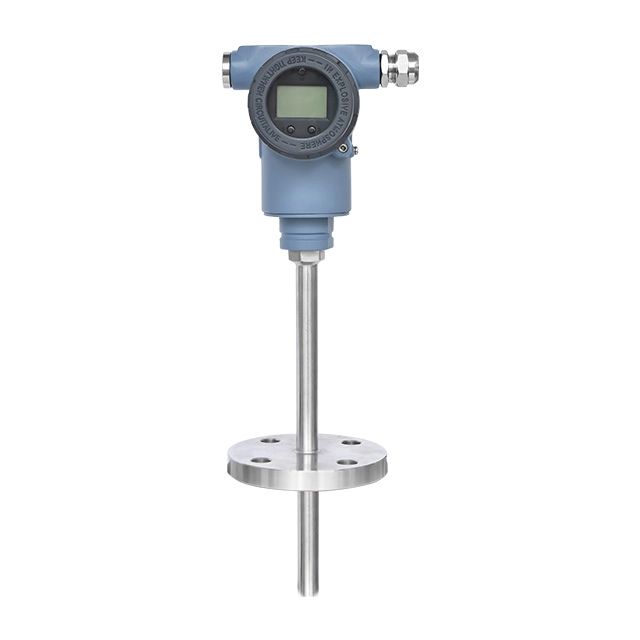
Selecting the appropriate temperature transmitter for your industrial application is crucial to achieving reliable and accurate measurements. Below are the key factors to consider when choosing the right temperature transmitter:
The operating environment and required accuracy are the primary factors to consider when selecting a temperature transmitter. For instance, if your application involves extremely high or low temperatures, you will need a transmitter designed for those conditions. Additionally, the accuracy of the transmitter is important for ensuring that your system operates within specified limits.
Output signals also play an important role in compatibility with your existing monitoring or control systems. Most temperature transmitters output signals like 4-20mA, HART, or digital protocols, so choosing a transmitter that matches the specifications of your control system is essential.
Temperature transmitters are often paired with either RTD (Resistance Temperature Detector) sensors or thermocouples. Each type of sensor has its advantages and applications:
RTDs offer high accuracy and stability, making them ideal for applications where precise temperature measurement is crucial.
Thermocouples are suitable for a wide range of temperatures and are often used in high-temperature environments, though they are generally less accurate than RTDs.
Selecting the right sensor type depends on the temperature range, required accuracy, and environmental conditions of your application.
Temperature transmitters are used across various industries, each with specific requirements. Below are some of the most common applications:
In manufacturing, precise temperature control is vital to ensure that products meet quality standards. Temperature transmitters are used to monitor the temperature of machinery, materials, and the production environment. For example, in plastic molding, maintaining a consistent temperature is essential for product consistency and preventing defects.
In energy production, especially in power plants, maintaining the correct temperature is crucial for efficiency and safety. Temperature transmitters are used to monitor the temperature of steam, water, and gases in boilers, turbines, and heat exchangers. Accurate temperature measurements help optimize energy production while preventing overheating and other safety hazards.
In HVAC systems, maintaining the right temperature and humidity levels is essential for creating a comfortable and safe environment. Temperature and humidity combo transmitters provide real-time data to adjust heating, cooling, and ventilation systems, ensuring that the environment remains within the desired parameters.
Choosing the right temperature transmitter is essential for ensuring the accuracy, efficiency, and safety of industrial processes. Whether you're working in manufacturing, energy production, or HVAC systems, selecting the right transmitter for your application is crucial for optimizing performance. At Zhejiang SUPCON Instrument Co., Ltd., we offer a wide range of industrial temperature transmitters that provide accurate, reliable measurements for diverse industrial applications. Contact us today to learn more about how our temperature transmitters can benefit your processes.
1. What is the best temperature transmitter for high-temperature applications?
High-temperature pressure transmitters are ideal for harsh environments where precise temperature readings are required, such as in chemical and power plants.
2. Can I use a temperature transmitter for both temperature and humidity monitoring?
Yes, temperature and humidity combo transmitters are designed for applications requiring both measurements, such as HVAC systems and storage facilities.
3. How do I choose between RTD and thermocouple sensors for my temperature transmitter?
If you require high accuracy, RTD sensors are the better choice, while thermocouples are more suitable for high-temperature environments.
4. Can temperature transmitters be used in remote locations?
Yes, wireless temperature transmitters are ideal for monitoring temperature in remote or hard-to-reach locations, providing flexibility in data collection across large industrial plants.


