
Views: 0 Author: Site Editor Publish Time: 2026-03-16 Origin: Site


Pressure transmitters play a vital role in industrial applications, where precise pressure measurement is necessary for maintaining safety, control, and automation in systems. These instruments are responsible for converting physical pressure into an electrical signal that can be monitored and controlled. Pressure data is not only essential for ensuring the efficiency of the system but also for meeting safety standards and improving overall operational performance. At Zhejiang SUPCON Instrument Co., Ltd., we specialize in manufacturing advanced industrial pressure transmitters that cater to various industries, including oil and gas, petrochemical, and factory automation. This guide will help you understand the importance of pressure transmitters, how they work, and the key factors to consider when selecting one for your industrial applications.
Pressure data is central to many industrial operations, influencing everything from safety protocols to process optimization. In industries such as oil and gas, water treatment, and manufacturing, accurate pressure measurements are crucial for maintaining the integrity of systems and ensuring that they operate within specified limits.
Incorrect pressure readings can result in a wide range of issues, from equipment damage and process inefficiency to catastrophic safety failures. Hence, selecting the right pressure transmitter is not just a matter of improving operational performance—it’s essential for ensuring system reliability and compliance with industry regulations.
A pressure transmitter is an instrument used to measure the pressure of liquids, gases, or vapors within a system and convert that pressure measurement into an electrical signal. The electrical signal is then sent to control systems or displays, where it can be monitored and analyzed to ensure the system is functioning as intended.
The process of converting physical pressure to an electrical signal varies depending on the technology used. Commonly, pressure transmitters utilize a pressure-sensing element, such as a diaphragm, piezoelectric crystal, or strain gauge, which deforms in response to pressure changes. This deformation is then converted into an electrical output signal, typically in the form of a 4-20mA current or a digital protocol such as HART or FOUNDATION Fieldbus.
The output signal is proportional to the measured pressure, which allows for real-time monitoring and control. The transmitter’s accuracy and sensitivity are crucial in ensuring that the signal is correctly proportional to the pressure, leading to accurate and reliable readings.
Understanding the different types of pressure transmitters is essential for selecting the right one for your application. Each type has its specific strengths and weaknesses, depending on the nature of the fluid being measured, the required accuracy, and the installation environment.
The three most common types of pressure transmitters are gauge, absolute, and differential. Here’s a closer look at each:
Gauge Pressure Transmitters: These measure the pressure relative to the surrounding atmospheric pressure. They are commonly used in applications where the pressure within the system needs to be measured relative to the ambient environment. Gauge transmitters are ideal for applications like HVAC systems, where pressure fluctuations are relative to atmospheric pressure.
Absolute Pressure Transmitters: These measure the pressure relative to a perfect vacuum and provide a true measurement of pressure, independent of atmospheric pressure. Absolute transmitters are used in applications where precise measurements of total pressure are critical, such as in vacuum systems, deep-sea operations, and certain chemical processes.
Differential Pressure Transmitters: These measure the difference in pressure between two points, making them ideal for flow measurement applications, filter monitoring, and level measurement. Differential transmitters are commonly used in systems where the pressure at two points within a process needs to be compared, such as across filters or across a flowmeter.
In addition to the basic types, several specialized variants of pressure transmitters are available:
Remote Seal Transmitters: These are used when it is not feasible to install the transmitter directly at the point of pressure measurement, such as in high-temperature or hazardous environments. The pressure-sensing element is placed remotely, and the transmitter communicates the pressure reading back to the control system.
Inline Transmitters: Inline transmitters are directly integrated into the process pipeline and provide real-time pressure measurements from within the flow stream. These are used when continuous, accurate pressure measurement is required in the pipeline itself.
Coplanar Transmitters: These transmitters are designed for applications where the pressure measurement needs to be done along the plane of a process. They are typically used in processes involving high-viscosity fluids or slurries, where a traditional inline transmitter may not provide accurate measurements.
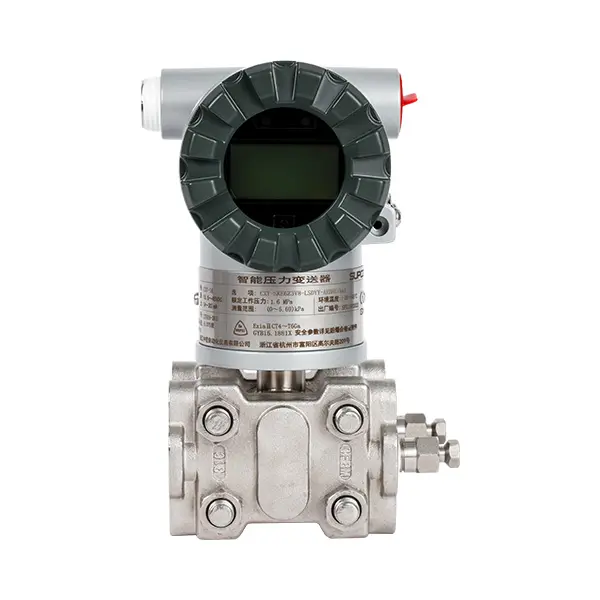
Selecting the right pressure transmitter involves considering several key factors. Understanding your application’s specific needs will help you choose the best transmitter for your process.
Criteria | What It Means | Why It Matters |
Pressure Range | The range of pressure the transmitter can measure | Prevent overload damage and ensure accurate readings across the operational range |
Accuracy | How precisely the transmitter measures pressure | Ensures reliable control and process optimization |
Media Compatibility | Whether the transmitter is designed for liquids, gases, or chemicals | Prevents corrosion and damage to the sensor |
Environment | The operating conditions, including temperature and vibration | Ensures long-term durability and stability under harsh conditions |
Mounting | The method of installation (e.g., inline, remote) | Ensures proper fit and compatibility with piping and system design |
Proper installation is key to maximizing the performance and lifespan of your pressure transmitter. Below are some practical tips for ensuring that the pressure transmitter is correctly installed and integrated into your system.
The orientation of the pressure transmitter can significantly affect its performance. Make sure the transmitter is installed in the correct orientation according to the manufacturer’s specifications. For example, differential pressure transmitters should be installed with the impulse lines correctly aligned to ensure accurate measurements.
Additionally, proper process connections must be made to ensure that the transmitter accurately measures the process pressure. Using the correct fittings and seals is crucial to preventing leaks and ensuring the transmitter’s accuracy.
Once the pressure transmitter is installed, it is essential to integrate it with your Distributed Control System (DCS) or other automation systems. Most modern transmitters offer digital communication options such as HART or Fieldbus, allowing for real-time monitoring, data logging, and remote diagnostics. This integration helps in proactive maintenance, where potential issues can be identified early, ensuring system efficiency and reducing downtime.
Pressure transmitters are used across a wide range of industries. Below are some key sectors where they play an essential role:
In the oil and gas industry, pressure transmitters are used to monitor wellheads, pipelines, and refining processes. Accurate pressure readings are essential to maintaining safe and efficient operations, preventing blowouts, and ensuring compliance with safety regulations. Similarly, petrochemical plants rely on pressure transmitters for precise control over chemical processes, ensuring the stability of critical systems.
Pumping stations are key components in water treatment and oil transport systems. Pressure transmitters are used to monitor pump performance, detect leaks, and ensure that water or oil is being delivered at the correct pressure. These devices help maintain consistent flow rates and pressure levels, optimizing energy usage and ensuring operational reliability.
In factory automation, pressure transmitters are essential for controlling and optimizing various manufacturing processes, from packaging to assembly lines. Precise pressure control ensures consistent product quality and minimizes waste. Whether it’s controlling hydraulic systems, pneumatic systems, or fluid flow in reactors, pressure transmitters play a key role in factory automation.
Choosing the right pressure transmitter is essential for ensuring accurate pressure measurement, system reliability, and process control. Whether you are working in the oil and gas industry, water treatment plants, or factory automation, the pressure transmitter you choose will play a critical role in optimizing operations and maintaining safety standards. At Zhejiang SUPCON Instrument Co., Ltd., we offer a wide range of industrial pressure transmitters designed for precision, durability, and reliability. Contact us today to learn more about our pressure transmitter solutions and how they can benefit your industrial applications.
1. What is the difference between gauge and absolute pressure transmitters?
Gauge pressure transmitters measure the pressure relative to atmospheric pressure, while absolute pressure transmitters measure pressure relative to a vacuum. The choice depends on the application and the need for an absolute pressure measurement.
2. How do I choose the right pressure transmitter for my system?
Consider the pressure range, accuracy, media compatibility, and environmental conditions of your application. A pressure transmitter with the right specifications will ensure accurate readings and reliable operation.
3. Can I integrate a pressure transmitter with my existing control system?
Yes, many modern pressure transmitters offer digital output signals, such as HART or Fieldbus, allowing for seamless integration with Distributed Control Systems (DCS) and automation systems.
4. What are the benefits of using a remote seal pressure transmitter?
Remote seal pressure transmitters are ideal for applications where the transmitter cannot be placed directly at the point of measurement due to extreme conditions, such as high temperatures or hazardous environments. They allow for accurate pressure measurement in challenging conditions.


