
Views: 0 Author: Site Editor Publish Time: 2026-03-10 Origin: Site


When it comes to industrial systems, ensuring the accuracy of flow measurements is crucial for optimizing process control, product quality, and resource usage. Whether you're dealing with water treatment, chemical processing, or any other industry where flow measurement is essential, flowmeter installation plays a vital role in obtaining reliable results. At Zhejiang SUPCON Instrument Co., Ltd., we specialize in manufacturing a wide range of flowmeters that are designed for precision and durability, ideal for industrial applications. This guide will walk you through the necessary steps for properly installing a flowmeter and why proper installation is more important than you might think.
The accuracy of your flowmeter directly impacts the quality of the data you collect, which, in turn, influences the efficiency and reliability of your operations. An improperly installed flowmeter can lead to inaccurate readings, which could result in process inefficiencies, wasted resources, or even safety hazards. Correct installation ensures that your flowmeter performs optimally, providing accurate and reliable data every time. In industrial settings, where precise measurements are key to maintaining productivity and meeting regulatory standards, installation cannot be overlooked.
Ensuring correct flowmeter installation is essential for maximizing operational efficiency and maintaining the overall integrity of your industrial processes. Let’s explore the essential steps and best practices for installing flowmeters properly in your operations.
Before installing a flowmeter, several preliminary steps must be taken to ensure that the installation goes smoothly and that the flowmeter performs accurately.
One of the first considerations before installing any flowmeter is understanding the fluid or gas being measured. Different flowmeters are designed for different types of fluids, and understanding the characteristics of the process media will help you choose the right type of flowmeter. For example, magnetic flowmeters are ideal for measuring conductive liquids such as water or chemicals, while ultrasonic flowmeters are better suited for non-intrusive measurements of gases or clean liquids. Ensuring compatibility between the media and flowmeter type is crucial for achieving reliable results.
The installation environment plays a significant role in flowmeter performance. Before you begin installing a flowmeter, make sure there is enough space around the pipe for proper installation. Additionally, the orientation of the flowmeter must be checked. Some flowmeters, such as turbine or electromagnetic meters, require specific orientations for optimal operation. Incorrect installation can lead to poor flow measurement accuracy and equipment damage.
The proper placement of a flowmeter is essential to ensuring accurate readings. Flowmeters should be installed with sufficient upstream and downstream piping to prevent turbulence, which can distort readings.
Most flowmeter types, including turbine, magnetic, and ultrasonic, require a straight section of pipe both upstream and downstream from the installation point. The length of these straight sections depends on the type of flowmeter being used. For example, ultrasonic flowmeters may need 10-20 pipe diameters of straight section before the meter to avoid turbulence caused by elbows or other fittings. Turbine flowmeters typically require a similar distance to ensure the rotor spins smoothly and provides accurate measurements.
Turbulence can cause inaccurate readings and affect the flowmeter’s performance. For this reason, it is critical to ensure that the flowmeter is installed in a location where the flow is stable and undisturbed. Using a straight section of pipe helps reduce the chances of turbulence, ensuring that the flowmeter can provide the most accurate measurements.
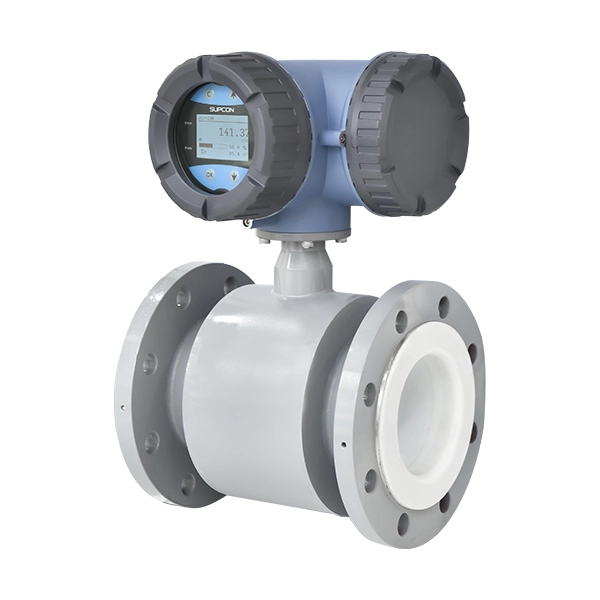
Each type of flowmeter has unique installation requirements that must be followed to ensure accurate performance. Understanding these requirements will help you install the flowmeter correctly and prevent errors.
Electromagnetic flowmeters are non-invasive and do not require the pipe to be cut for installation, making them ideal for systems where minimal disruption is required. However, ultrasonic flowmeters, which operate using sound waves, may need to be installed in such a way that the pipe condition is carefully considered, and alignment is precise to achieve accurate readings. These flowmeters can often be installed without cutting the pipe, but ensuring the pipe is clean and free from scale or debris is critical for obtaining reliable data.
For mass flowmeters, such as Coriolis meters, vibration is a significant factor that can affect the accuracy of measurements. These meters measure the mass flow of the fluid by detecting changes in the vibration frequency of the flow path. Therefore, proper vibration isolation and support are necessary for ensuring accurate results. Installing the flowmeter on a solid, stable foundation will minimize the impact of external vibrations and improve the accuracy of mass flow measurements.
Differential pressure flowmeters, commonly used in steam and gas systems, rely on impulse lines to transmit pressure signals from the pipe to the flowmeter. When installing these flowmeters, it is essential to ensure that the impulse lines are properly installed and free from blockages or leaks. Any issues with the impulse lines can lead to incorrect readings, which will affect the performance of the entire system.
Proper installation involves more than just following the manufacturer’s specifications; it also requires avoiding common mistakes that can compromise the accuracy and longevity of your flowmeter.
Mistake | Issue It Causes | How to Fix |
Poor straight pipe | Turbulence → inaccurate readings | Add upstream space |
Wrong orientation | Sensor misreads or inaccurate measurements | Follow manufacturer specs |
Improper grounding | Noise and signal distortion | Ensure proper grounding (earth bond) |
Wrong power wiring | Flowmeter failure or damage | Verify voltage and wiring specs |
By avoiding these common mistakes and ensuring proper installation, you can maximize the accuracy and lifespan of your flowmeter.
After installing the flowmeter, it’s important to calibrate it to ensure it provides accurate readings. Calibration involves adjusting the flowmeter to match a known reference standard.
Zero calibration is the process of setting the flowmeter to read zero when no fluid is passing through the system. This ensures that the meter is correctly calibrated before any flow is measured. Span calibration, on the other hand, adjusts the flowmeter’s response to match known flow rates across the entire measurement range. Both types of calibration are essential for ensuring accurate measurements over time.
To maintain optimal performance, flowmeters should undergo routine verification and recalibration. Depending on the application, flowmeters may need to be checked monthly, quarterly, or annually. Regular verification helps ensure that the flowmeter continues to perform accurately and that any potential issues are identified before they affect the process.
Correct flowmeter installation is crucial for ensuring accurate measurements, reducing downtime, and maintaining operational efficiency in industrial processes. By following the installation guidelines and considering factors such as pipe orientation, straight pipe length, and sensor placement, you can ensure that your flowmeter operates at its best. Proper calibration and routine checks further enhance the reliability of the device. At Zhejiang SUPCON Instrument Co., Ltd., we offer a wide range of high-quality flowmeters designed for precise and efficient industrial measurement. Contact us today to learn more about how our flowmeters can improve your processes.
1. Why is straight pipe installation necessary for accurate flowmeter readings?
Straight pipe installation helps minimize turbulence, ensuring that the flowmeter can provide accurate and reliable readings. Turbulence can distort measurements and affect flowmeter accuracy.
2. How do I install a mass flowmeter to prevent vibration interference?
To prevent vibration interference, ensure that the mass flowmeter is installed on a stable foundation and properly isolated from external vibrations. This will improve the accuracy of the readings.
3. What is the difference between zero calibration and span calibration?
Zero calibration ensures that the flowmeter reads zero when no fluid is flowing, while span calibration adjusts the flowmeter’s response to match known flow rates across the measurement range.
4. How often should I verify my flowmeter after installation?
The verification schedule depends on the application, but it is generally recommended to verify and recalibrate the flowmeter on a monthly, quarterly, or annual basis to maintain accuracy.


